Money back guarantee for boys and girls

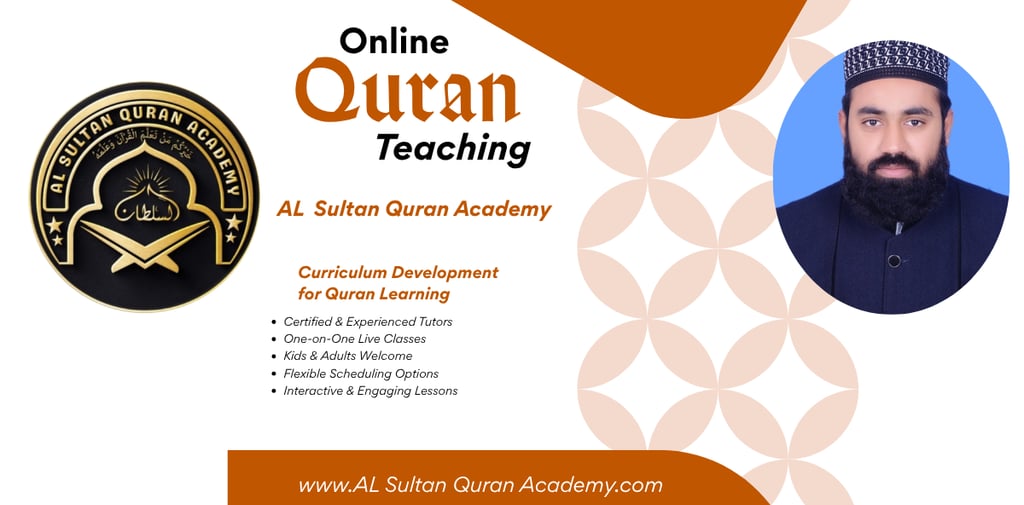
Curriculum Development by Qari Imran Rahemi chief strategy officer for Modern Quran Learning:
Curriculum Development by Qari Imran Rahemi for Modern Quran Learning explores innovative, structured, and impactful methods designed for Pakistani and international students to achieve excellence in Quranic education.
4/30/20264 min read
“A well-structured Quran curriculum is not just about recitation—it is about transforming lives through understanding, discipline, and spiritual growth,” says Qari Imran Rahemi.
Curriculum Development by Qari Imran Rahemi for Modern Quran Learning stands as a groundbreaking model in today’s educational landscape. In Pakistan and across the globe, the need for a balanced approach—one that preserves tradition while embracing innovation—has never been greater.
Let’s face it—learning styles have changed. Students today are more digital, more curious, and often juggling multiple responsibilities. That’s why this curriculum doesn’t rely on outdated, one-size-fits-all methods. Instead, it offers a structured yet flexible system that adapts to each learner’s pace and lifestyle.
At AlSultan Quran Academy, the focus is not only on teaching the Quran but on building a lifelong relationship with it. Students are guided to understand meanings, reflect on teachings, and apply them in everyday life. This makes the learning experience not just educational, but deeply personal and spiritual.
Vision of Qari Imran Rahemi
Foundational Philosophy
The vision behind Curriculum Development by Qari Imran Rahemi for Modern Quran Learning is rooted in sincerity, accessibility, and excellence. It aims to remove barriers that prevent people from learning the Quran effectively.
This philosophy is built on three pillars:
Clarity – Making Quran learning simple and understandable
Consistency – Ensuring steady progress through structured lessons
Connection – Helping students emotionally and spiritually connect with the Quran
Rather than overwhelming students, the curriculum gently guides them step by step. It acknowledges that every learner is different—and that’s perfectly okay.
Educational Goals
The goals of this curriculum go beyond basic literacy. They include:
Developing confident and fluent Quran readers
Ensuring accurate Tajweed pronunciation
Encouraging understanding of Quranic messages
Building Islamic character and اخلاق
Preparing students for advanced Islamic studies
This holistic approach ensures that students don’t just learn—they grow.
Importance of Structured Curriculum
Traditional vs Modern Learning
Traditional Quran education has always held immense value. However, it often lacked organization and adaptability. Students were expected to follow the same pace regardless of their abilities.
Now, Curriculum Development by Qari Imran Rahemi for Modern Quran Learning introduces a refreshing change. It combines the depth of traditional teaching with the efficiency of modern education systems.
Key improvements include:
Clearly defined learning stages
Measurable progress indicators
Interactive lessons
Student engagement techniques
This structured system helps learners stay focused and motivated.
Challenges in Quran Education
Many students, especially in Pakistan and overseas, face common hurdles:
Busy schedules
Lack of qualified teachers
Limited access to quality education
Difficulty staying consistent
This curriculum tackles these issues head-on by offering flexible, accessible, and high-quality learning solutions.
7 Powerful Strategies for Curriculum Development
Strategy 1: Student-Centered Learning
Every student is unique. Some learn quickly, others need more time. This curriculum respects that.
Teachers assess individual strengths and weaknesses, then tailor lessons accordingly. This personalized approach boosts confidence and ensures better understanding.
Strategy 2: Technology Integration
Technology is no longer optional—it’s essential.
With tools like online classrooms, video sessions, and platforms such as Quran.com, students can learn anytime, anywhere. This is especially helpful for international learners.
Strategy 3: Tajweed Mastery System
Correct pronunciation is critical. The Tajweed system in this curriculum is structured and progressive.
Students start with basic rules and gradually move to advanced concepts. Regular practice and correction ensure accuracy.
Strategy 4: Memorization Techniques
Memorizing the Quran can feel challenging—but with the right techniques, it becomes manageable.
This curriculum uses:
Repetition cycles
Audio listening
Daily revision schedules
Small, achievable goals
These methods improve retention and reduce stress.
Strategy 5: Character Building
Quran education isn’t just about knowledge—it’s about transformation.
Students are taught values like honesty, patience, respect, and discipline. These qualities shape their شخصیت (personality) and behavior.
Strategy 6: Flexible Learning Modules
Flexibility is a game-changer.
Students can choose class timings that fit their routine—whether they’re in Pakistan or abroad. This makes learning accessible to everyone.
Strategy 7: Continuous Assessment
Regular feedback keeps students on track.
Assessments include:
Weekly tests
Monthly evaluations
Teacher feedback sessions
This ensures consistent improvement.
Curriculum Levels at Al Sultan Quran Academy
Beginner Level
At this stage, students build their foundation:
Arabic alphabet recognition
Basic pronunciation
Short Surahs memorization
It’s all about starting strong.
Intermediate Level
Here, students gain confidence:
Fluent Quran reading
Tajweed application
Basic understanding of meanings
This level bridges the gap between reading and understanding.
Advanced Level
This is where mastery begins:
Hifz (memorization of Quran)
Introduction to Tafseer
Deeper Islamic studies
Students develop a deeper connection with the Quran.
Teaching Methodologies
The teaching style is dynamic and engaging.
Methods include:
One-on-one personalized sessions
Group discussions for shared learning
Visual aids for better understanding
Real-life examples for practical application
Teachers keep lessons interactive, so students never feel bored.
Role of Teachers and Mentors
Teachers are the backbone of this curriculum.
They don’t just teach—they inspire.
Their responsibilities include:
Guiding students spiritually
Providing emotional support
Encouraging consistency
Acting as role models
A good teacher can change a student’s life—and that’s exactly the goal here.
Benefits for Pakistani and International Students
This curriculum is designed for a global audience.
For Pakistani Students:
Affordable and accessible learning
Qualified local teachers
Cultural relevance
For International Students:
Flexible schedules across time zones
Online accessibility
High-quality instruction
It’s a win-win for everyone.
Integration of Islamic Values
Islamic values are at the heart of this curriculum.
Students learn to:
Practice honesty in daily life
Show respect to others
Develop patience and gratitude
Strengthen their relationship with Allah
These values go beyond the classroom—they shape lives.
Digital Transformation in Quran Learning
The digital shift has made Quran learning more efficient than ever.
Features include:
Live online classes
Recorded sessions
Interactive quizzes
Progress tracking dashboards
This ensures students stay connected and motivated.
Practical Implementation at Al Sultan Quran Academy
At Al Sultan Quran Academy, this curriculum is not just theoretical—it’s actively implemented.
Daily class structures include:
Warm-up revision
New lesson introduction
Practice and correction
Homework assignments
Teachers monitor progress closely and adjust teaching methods as needed.
Future of Quran Education
The future looks bright.
With continuous innovation, Curriculum Development by Qari Imran Rahemi for Modern Quran Learning will continue to evolve. Artificial intelligence, mobile apps, and global collaboration will further enhance learning experiences.
The goal is simple: make Quran education accessible to every Muslim, everywhere.
FAQs
1. What makes this curriculum different?
It combines traditional Islamic teaching with modern educational techniques.
2. Can beginners join easily?
Yes, the curriculum starts from the basics and progresses step by step.
3. Is it suitable for kids and adults?
Absolutely. It’s designed for all age groups.
4. How flexible are the classes?
Students can choose timings that fit their schedule.
5. Do students learn Tajweed properly?
Yes, Tajweed is a core focus throughout the curriculum.
6. Is this available internationally?
Yes, students from around the world can enroll online.
Conclusion
Curriculum Development by Qari Imran Rahemi for Modern Quran Learning is more than just a teaching system—it’s a movement towards better, smarter, and more meaningful Quran education.
By combining structure, flexibility, and innovation, it prepares students not only to read the Quran but to live by it. Whether in Pakistan or abroad, this curriculum offers a path to knowledge, discipline, and spiritual growth.