Money back guarantee for boys and girls

Teacher Training Strategies by Qari Imran Rahemi at Al Sultan Quran Academy: 10 Powerful Methods for Excellence in Quran Education
Teacher Training Strategies by Qari Imran Rahemi at Al Sultan Quran Academy reveal 10 powerful, structured, and modern techniques to develop highly skilled Quran teachers for Pakistani and international students.
4/30/20263 min read
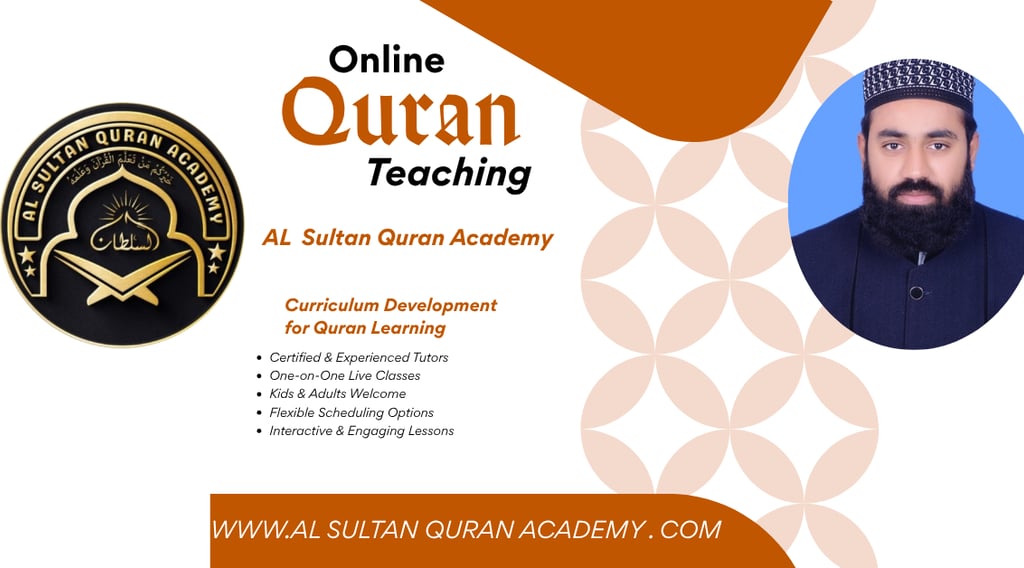
“A great teacher does not just deliver knowledge—they inspire hearts, shape character, and build a lifelong connection with the Quran,” says Qari Imran Rahemi.
At the core of Teacher Training Strategies by Qari Imran Rahemi at Al Sultan Quran Academy lies a powerful mission: to develop teachers who are not only knowledgeable but also confident, emotionally intelligent, and spiritually grounded.
In today’s fast-changing educational landscape, Quran teaching is no longer limited to traditional methods. It requires adaptability, digital fluency, and a deep understanding of student psychology. This is exactly what makes this training model so impactful and future-ready.
Vision of Qari Imran Rahemi for Teacher Development
Core Philosophy
The philosophy behind this training system is built on timeless Islamic principles combined with modern educational excellence:
Teaching is an act of worship (عبادة)
Teachers must engage in continuous learning
Knowledge must be paired with effective delivery skills
Strong teacher-student emotional connection is essential
This vision recognizes that a teacher’s influence extends far beyond lessons—it shapes faith, behavior, and lifelong values.
Training Objectives
The structured training program is designed to produce high-performing Quran educators who can meet global standards.
Key objectives include:
Strengthening Tajweed precision and recitation accuracy
Enhancing classroom engagement and teaching clarity
Building confidence in online and offline teaching environments
Developing strong communication and interpersonal skills
Instilling Islamic discipline, patience, and sincerity
Each objective contributes to creating a complete and balanced Quran teacher.
Importance of Teacher Training in Modern Quran Academies
Evolution of Teaching Methods
Traditional Quran teaching focused heavily on memorization and recitation. While still essential, modern education demands more:
Interactive learning techniques
Student-centered teaching approaches
Integration of digital tools
Adaptability to different learning speeds
Teacher Training Strategies by Qari Imran Rahemi at Al Sultan Quran Academy bridge this gap by merging classical Islamic education with modern pedagogy.
Challenges Faced by Today’s Quran Teachers
Many teachers struggle with:
Maintaining student attention in online classes
Limited exposure to digital tools
Lack of training in child psychology
Communication barriers with international learners
Difficulty managing diverse classroom behaviors
This training system directly addresses these issues with practical, real-world solutions.
10 Powerful Teacher Training Strategies (Expanded)
1. Structured Training Framework
Teachers follow a step-by-step curriculum that includes:
Islamic knowledge reinforcement
Teaching methodology development
Classroom management techniques
Practical teaching simulations
This ensures consistency and quality across all instructors.
2. Advanced Tajweed Certification
Tajweed is treated as a non-negotiable standard.
Teachers undergo:
Rigorous recitation evaluations
One-on-one correction sessions
Continuous revision cycles
Only certified teachers proceed to student instruction.
3. Modern Pedagogical Development
Teachers are trained to:
Simplify complex Quranic concepts
Adapt teaching styles for children, adults, and beginners
Use storytelling and examples for better understanding
Maintain student attention effectively
This makes learning more engaging and accessible.
4. Technology Integration in Teaching
Digital education is a major focus area.
Teachers are trained in:
Online classroom platforms (Zoom, Google Meet, etc.)
Digital whiteboards and screen sharing tools
Quran learning apps and interactive resources
Audio-visual teaching enhancements
This ensures global accessibility and modern learning experiences.
5. Student Psychology & Behavior Understanding
Teachers learn how students think and behave at different stages:
Child learning patterns
Teenage engagement challenges
Adult learner motivation strategies
Attention span management techniques
This leads to stronger emotional and educational connections.
6. Communication Excellence Program
Effective communication is a key skill.
Training includes:
Clear articulation and pronunciation
Multilingual communication for global students
Cultural sensitivity training
Confidence-building exercises
This improves clarity and reduces learning barriers.
7. Continuous Professional Growth
Teacher development never stops.
Ongoing activities include:
Monthly workshops
Skill refinement sessions
Peer learning discussions
Updated teaching methodology reviews
This keeps teachers aligned with modern standards.
8. Performance Evaluation System
Quality is maintained through structured evaluation:
Live class observations
Student feedback analysis
Teaching effectiveness scoring
Individual improvement plans
This ensures accountability and growth.
9. Mentorship & Peer Learning Culture
Experienced teachers guide new educators through:
One-on-one mentorship
Shadow teaching sessions
Group discussions and feedback sharing
Collaborative problem-solving
This builds a strong teaching community.
10. Islamic Character Building
Beyond teaching skills, character development is central:
Teachers are trained in:
Sincerity (اخلاص)
Patience (صبر)
Discipline and punctuality
Respect and humility
This ensures teachers become true role models.
Implementation at Al Sultan Quran Academy
The training system is actively applied through:
Weekly development sessions
Practical classroom teaching experience
Real-time performance feedback
Continuous monitoring and improvement
This makes the training highly practical, not theoretical.
Role of Leadership in Teacher Excellence
Qari Imran Rahemi plays a central role in maintaining excellence by ensuring:
High academic and spiritual standards
Continuous improvement culture
Strong teacher motivation
Leadership-driven accountability
Strong leadership directly translates into strong educational outcomes.
Benefits for Students Worldwide
Pakistani Students
Strong foundational Quran learning
Improved Tajweed and pronunciation
Structured and disciplined learning environment
International Students
Easy communication in online classes
Flexible learning schedules
High-quality global teaching standards
This creates a truly international Quran learning platform.
Integration of Islamic Values
Islamic ethics are deeply embedded in training:
Teaching with sincerity and intention
Practicing patience with students
Respecting individual learning differences
Maintaining discipline and consistency
This ensures education is both academic and spiritual.
Future of Quran Teacher Training
The future vision includes:
AI-assisted learning support tools
Advanced virtual classrooms
Global teacher collaboration networks
Smart Quran learning systems
Teacher Training Strategies by Qari Imran Rahemi at Al Sultan Quran Academy are designed to evolve with time while preserving Islamic authenticity.
Conclusion
Teacher training is not just a system—it is a transformation journey.
Through Teacher Training Strategies by Qari Imran Rahemi at Al Sultan Quran Academy, educators are developed into confident, skilled, and spiritually strong teachers who can inspire students across the world.
A well-trained teacher does not just teach the Quran—they pass on a legacy of faith, discipline, and lifelong guidance.